Atlas Close-Ups
DAR MARJANA
Synopsis
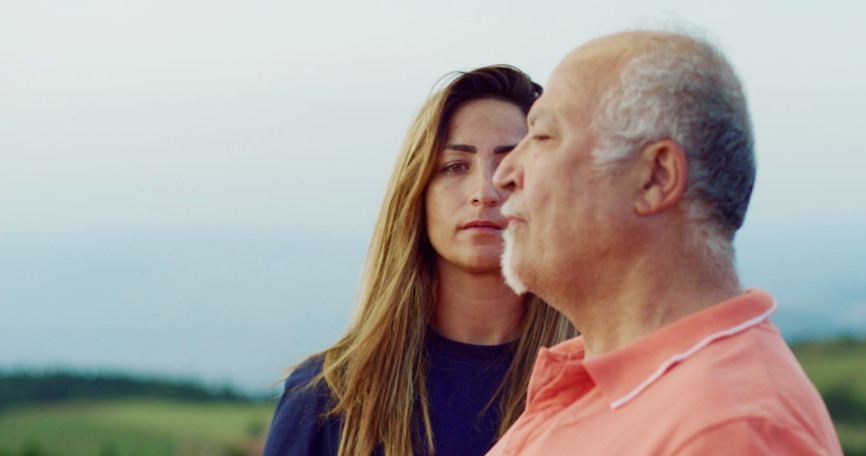
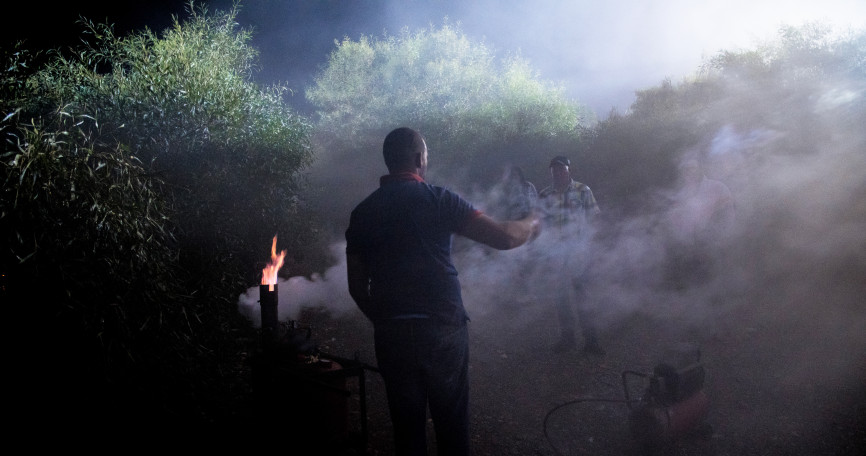
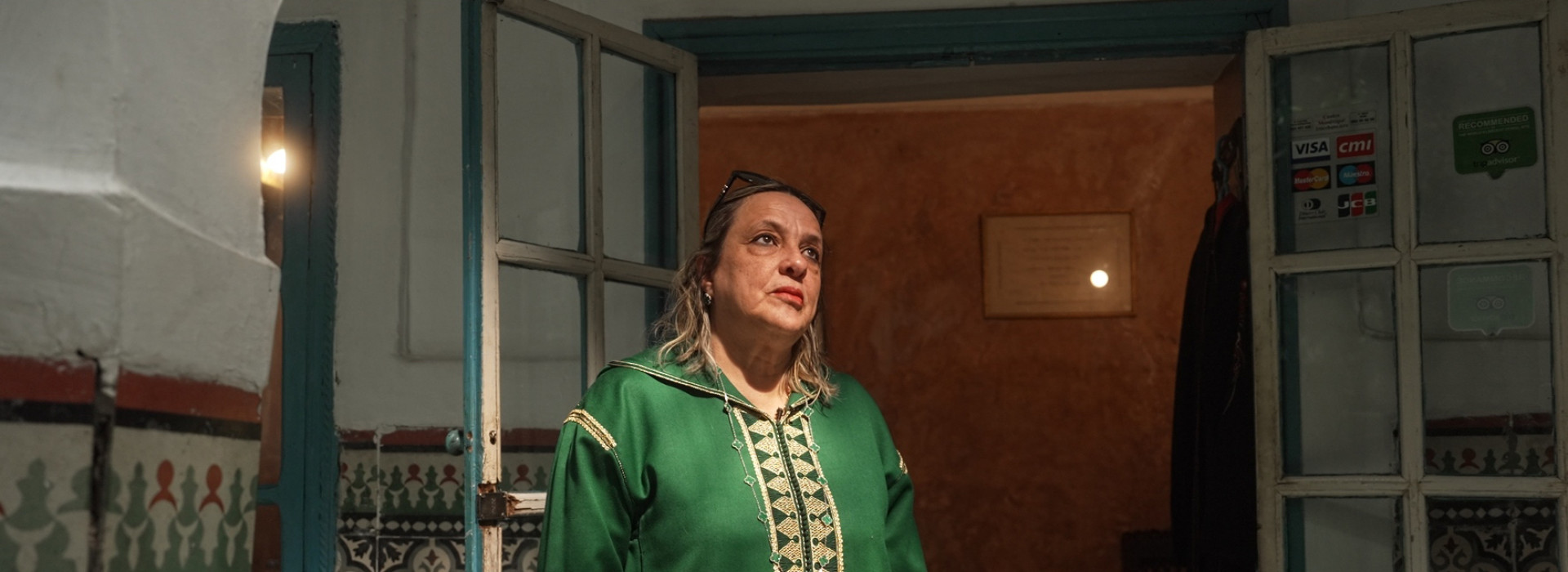
Dar Marjana follows Kenza as she faces the difficult decision to sell her family’s restaurant, which has been housed in a 200-year-old, multi-generational home in the medina of Marrakech for the past four decades. Dar Marjana is not just any restaurant; it is also a house of the supernatural, where the shadows of Kenza's father and grandfather, as well as inherently good—though also capricious—djinn reign, so that all who enter are mere visitors in their realm. When her children decline to take over the family business, Kenza's eldest daughter, Lamia, documents her mother as she confronts generational legacies, family conflicts, personal fears, and the resentment of the djinn on her journey of saying goodbye. The film offers an intimate and transcendent portrayal of what it means to let go.
Paper Tongue (USA)
Lisa Yadao
Caravan Features (USA)
Lamia Lazrak
Director’s statement
When I was 17, I wrote a three-act play that imagined the closure of my family’s restaurant, Dar Marjana. Growing up, the restaurant dictated our lives, and my mother’s conflicting feelings—of duty and resentment—have shaped our family story. Now, after decades of devotion, she is ready to sell. This moment has led me to explore what it means to let go of a place so deeply tied to identity, legacy, and family duty. As I document my mother’s journey, I question the ties between heritage and obligation, the weight of generational patterns, and the power of the restaurant’s spirits. On the surface, Dar Marjana is a film about the closure of a family restaurant in Marrakech. But closing a family restaurant tends to unearth many fears, fears about choices, identity, legacy, and what happens when you’re stuck in between worlds—the world of your reality, the world of potential realities, and the world of the unseen.
Biographies
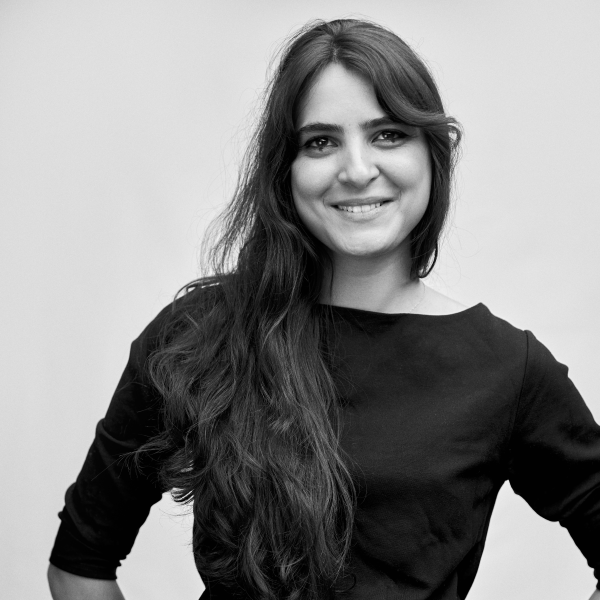
Lamia Lazrak is a Moroccan documentary editor and filmmaker based in Portland, Maine. She earned her degree in film and television from the Savannah College of Art and Design in Georgia. Her work explores themes of identity, familial duty, separation, and the liminal experiences of diasporic communities, reflecting these transitional spaces in dreams and the mystical. Lazrak has edited and directed award-winning works worldwide and is currently making her first feature documentary in Marrakech.
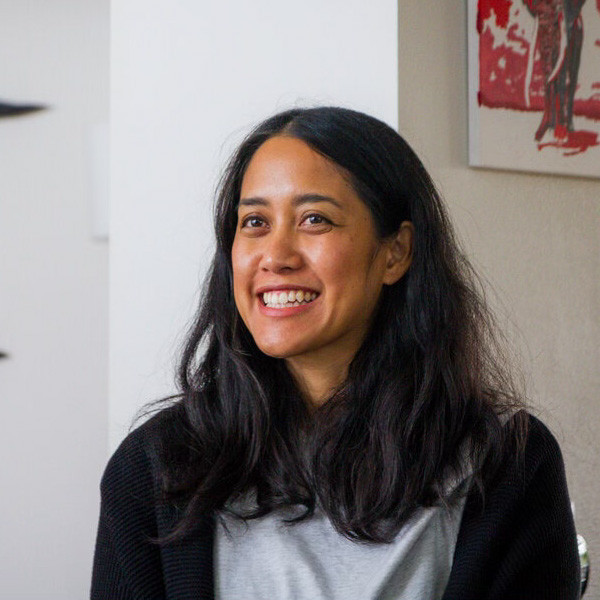
Lisa Yadao is a Hawaiian-Filipina producer, director, and screenwriter specializing in branded documentaries and short narrative films. Her work includes award-winning short films, web series, and campaigns for Square, Caviar, and Bobbie Baby. Recently, she directed an episode of the Max show Take Out with Lisa Ling, exploring AAPI history through food. Yadao is a co-founder of Paper Tongue, a collective dedicated to raising visibility for womxn, especially womxn of color, and championing underrepresented perspectives in film and media.