Projects in development
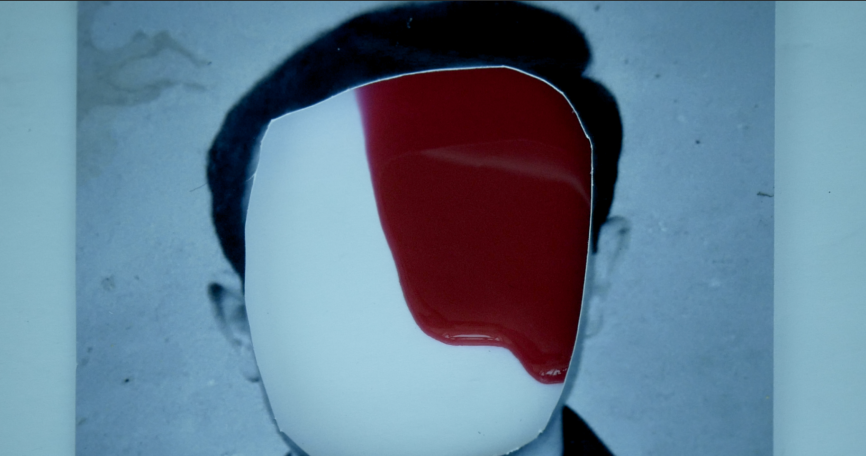
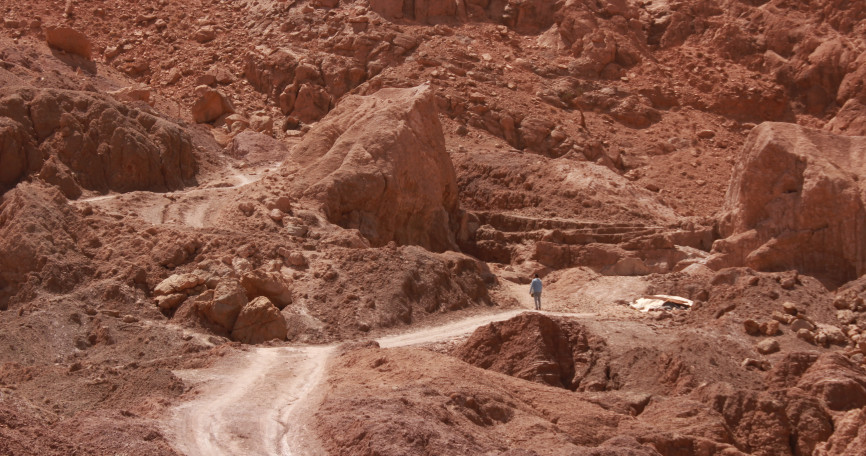
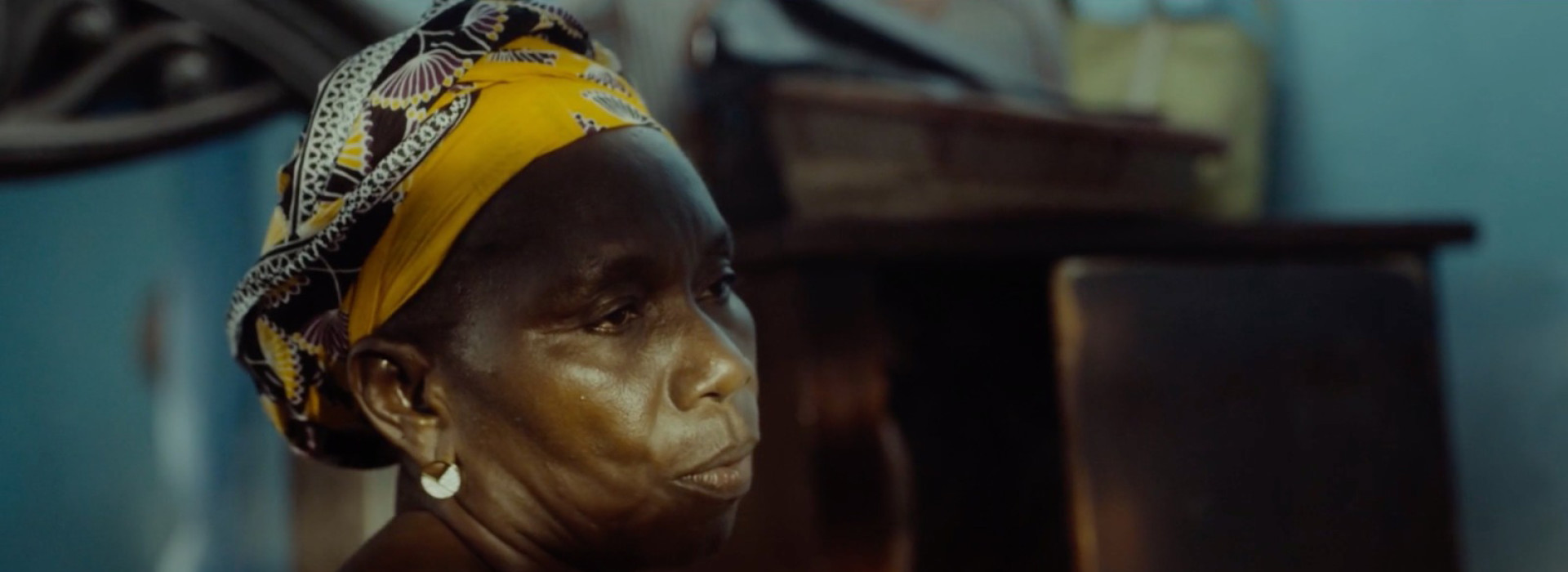
Ici Repose
Synopsis
Together with her son Fodé, Mareme has recently moved to the suburbs of Dakar, where she does everything she can to fit in. One evening, her estranged eldest son, Barro, bursts into their home. Back in their hometown, he is under threat because he is gay. Despite tensions with Fodé, Mareme doesn't have the heart to close the door on Barro. She wants to believe that no one learns about Barro's homosexuality, and that she can protect him without endangering the new life she has built. Barro's secret is soon discovered, however, and the worst happens: he is lynched. When everyone around her refuses to give her son a proper burial, Mareme stands up against convention for the first time.
Biographies
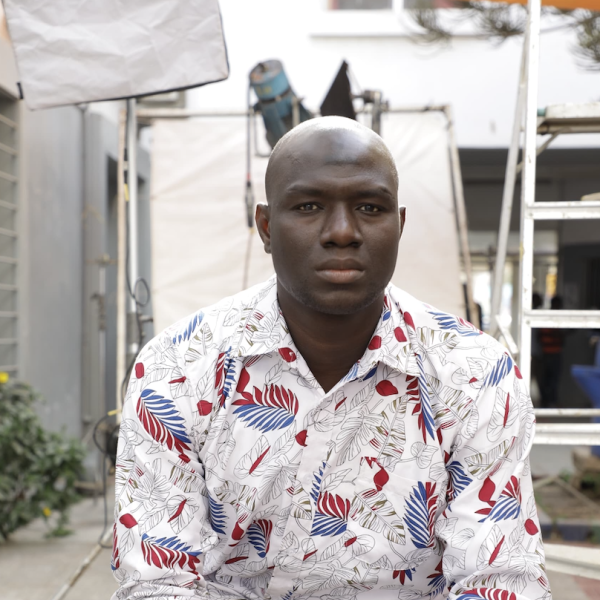
Moly Kane was born in Pikine, Senegal. He is a founding member of the Festival Ciné Banlieue and the founder of Babubu Films. His first short film, Moly (2011), was screened at the Festival de Cannes in the Cannes Classics section. His short film Sër Bi (2020) was co-produced by Films Grand Huit and Babubu Films and had its premiere at the Toronto International Film Festival. It went on to be selected for some 20 other festivals, and received the Poulain d'Or award at Fespaco.

Films Grand Huit supports directors in making short and feature films, and recently released films including Giacomo Abbruzzese’s Disco Boy (2023), which won the Silver Bear at the Berlin International Film Festival; Jonathan Millet’s Ghost Trail (2024), which was selected for La Semaine de la Critique; and Camila Beltrán’s Mi bestia (2024), which was selected for the Acid program at Cannes. Upcoming releases include Mareike Engelhardt’s Rabia (2024), which won the Prix d'Ornano Valenti, and Baya Kasmi’s Mikado (2024).
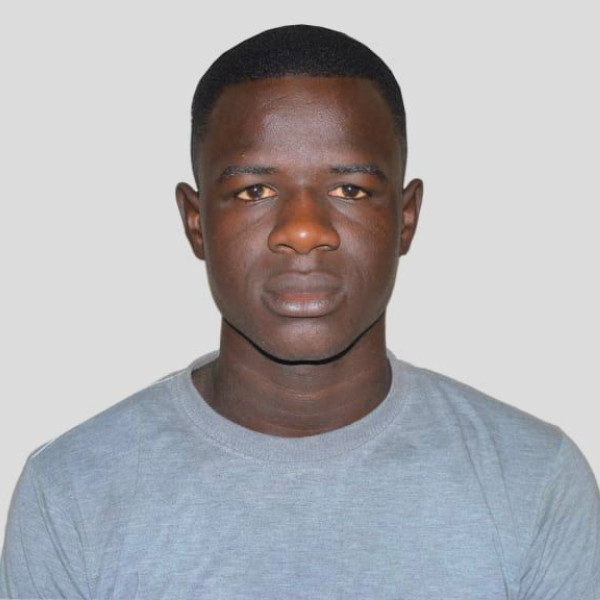
Born in Senegal, Ngagne Sankhe developed a taste for cinema at an early age, when he saw Moly Kane’s short film Moly (2011). He joined the Senegalese company Babubu Films as a producer, notably producing Kane’s Sër Bi (2020).