Projects in development
Hold Me (If You Want)
Synopsis
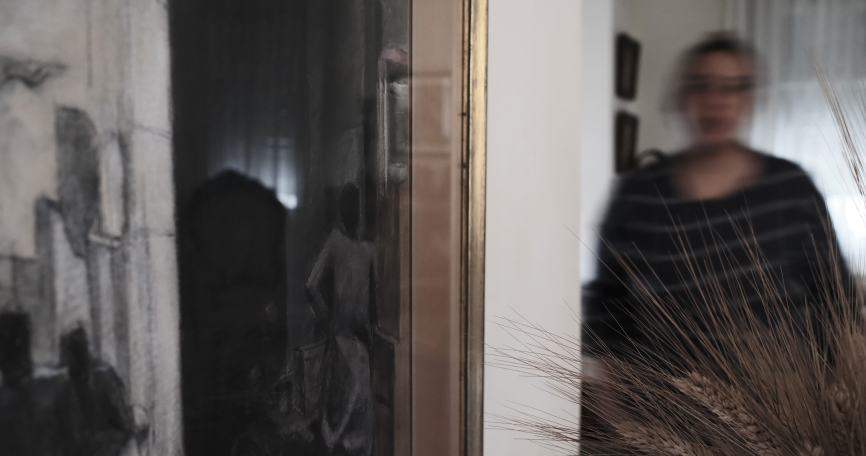
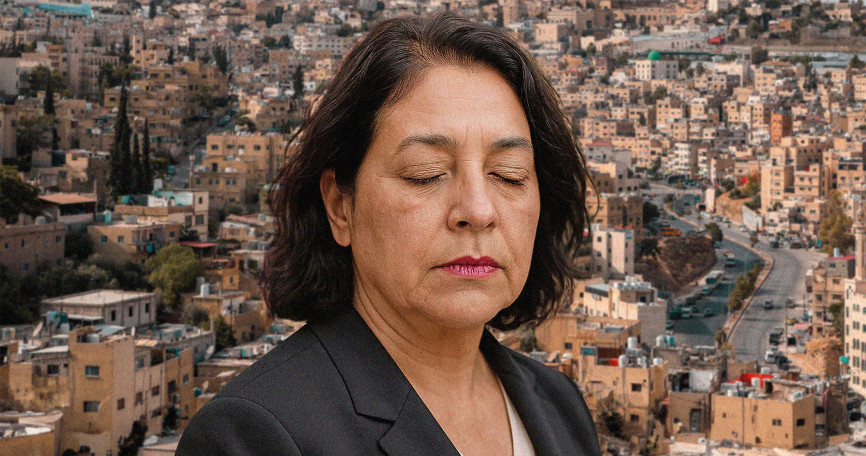
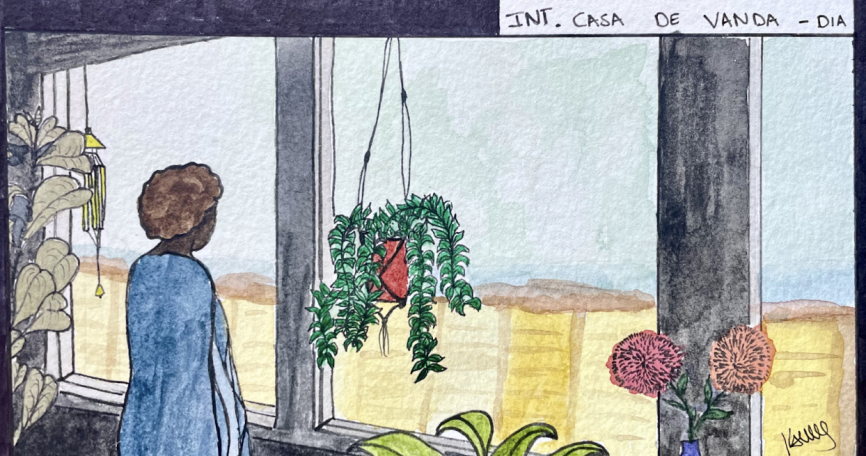
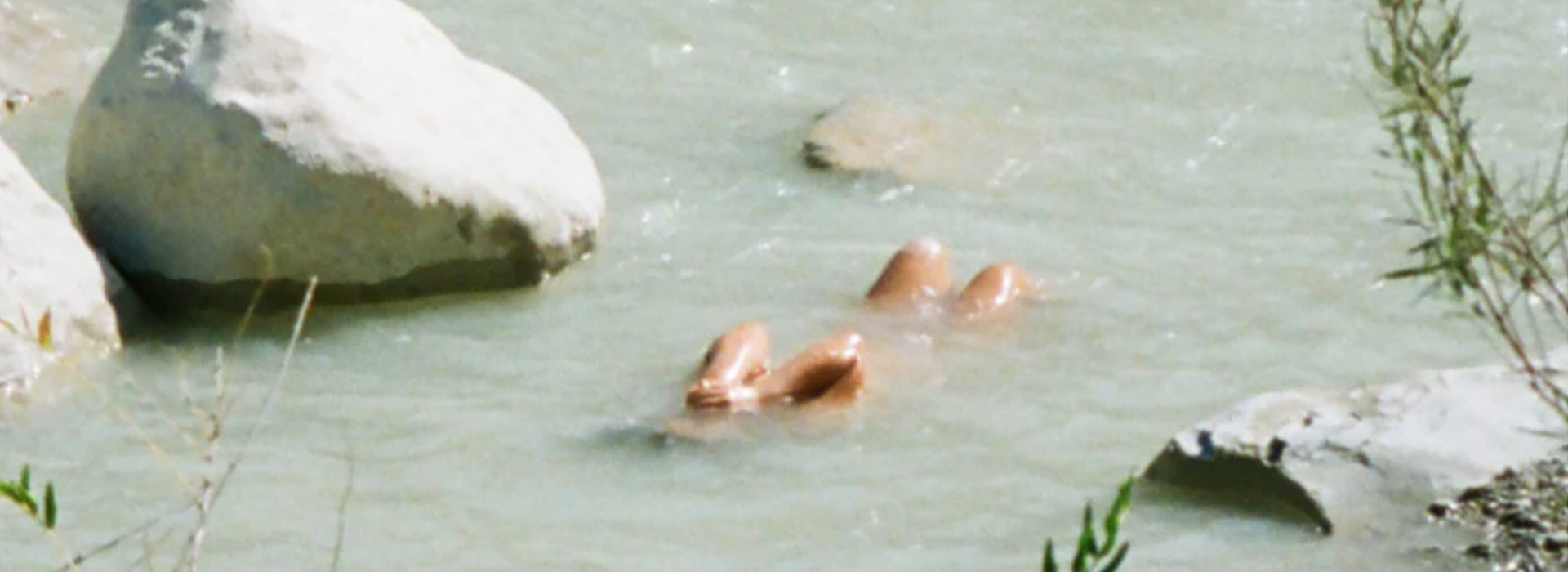
Dalia and Eli, both in their 30s, have built a safe bubble amid Beirut’s social tension. After their wedding ceremony, Dalia begins experiencing hallucinations, and feels like a stranger in her own home. Deprived of sleep, she wanders into the mountains, where a nun from a nearby hospital takes her in. Here, Dalia reconnects with reality but grows attached to this fractured world. Incidentally, she obsesses over Paul, a recovering addict who avoids contact. When the hospital announces a “resocialization” release, Paul is set free while Dalia is not. She escapes to find him. Their brief, intense time together awakens his addictive side, and they start a passionate relationship. Eli eventually tracks them down, however. Forced to stay together after the psychiatric ward closes, the three improvise a diner for Dalia’s father’s birthday. Grief turns to laughter, and they all realize that, though their future is uncertain, they have touched each other profoundly.
Gaïjin (France)
Sophie Erbs
Abbout Productions (Lebanon)
Myriam Sassine
Heretic (Greece)
Giorgos Karnavas
Amrion Production (Estonia)
Riina Sildos
Director’s statement
Hold Me (If You Want) follows a woman who has become a stranger to herself in the world of hyper-normality she has created to combat the chaos outside. Mental health in Lebanon is a silent epidemic. People adapt to a collapsing world, always bracing for the next crisis—very often with humor as a shield. For many of us, this mix of laughter, denial, and cynicism is what allows us to navigate through life. Resilience is survival —a necessity, not a choice. The August 4 tragedy forced long-avoided conversations. Like many, I was overwhelmed, unsure how to find help. These forces shape our relationships with our bodies, minds, and partners. How has this shaped us, inside and out? How do we stay connected to our dreams, hearts, and sexual desires when life itself is constantly threatened? I want to explore these themes with no fear of tackling unspoken topics, but also with humor and brightness arising from characters depicted with tenderness.
Biographies
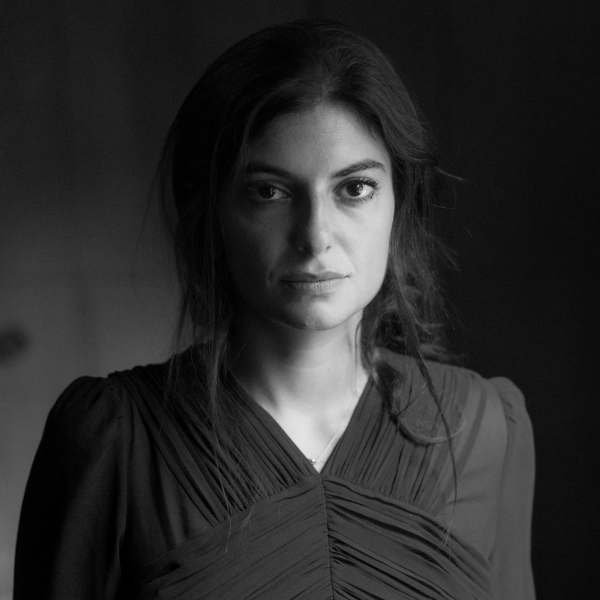
Mounia Akl is a Lebanese director and writer. Her first feature, Costa Brava, Lebanon, had its premiere in 2021 at the Venice International Film Festival. It won the Netpac Award at the Toronto International Film Festival, the Audience Award at the BFI London Film Festival, and the Fipresci Prize and the Green Star Award at the El Gouna Film Festival. It was released in the United States by Kino Lorber and on Netflix. Akl has directed television shows, most recently Boiling Point with Stephen Graham, The Responder with Martin Freeman and House of Guinness by Steven Knight for Netflix.
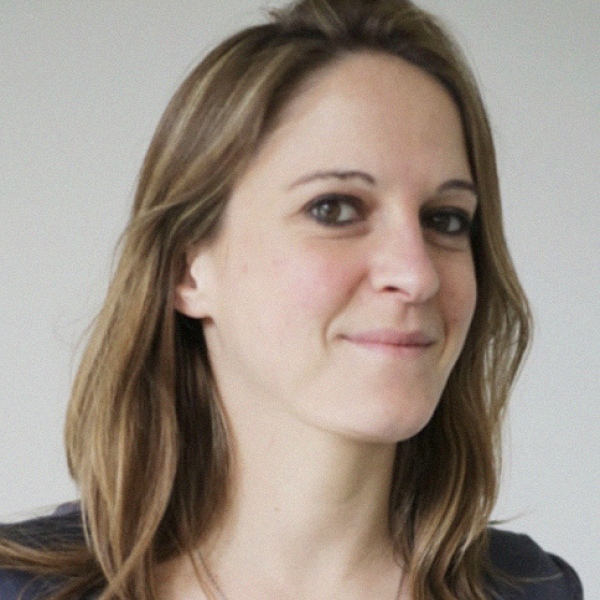
Sophie Erbs has produced over 26 feature-length films, including Mounia Akl’s Costa Brava, Lebanon (2021), which was presented in the Orizzonti section of the Venice International Film Festival; Marcela Said’s Los Perros (2017), which was selected for La Semaine de la Critique at the Festival de Cannes; and Pia Marais’s Transamazonia (2024), selected in Competition for the Locarno Film Festival.
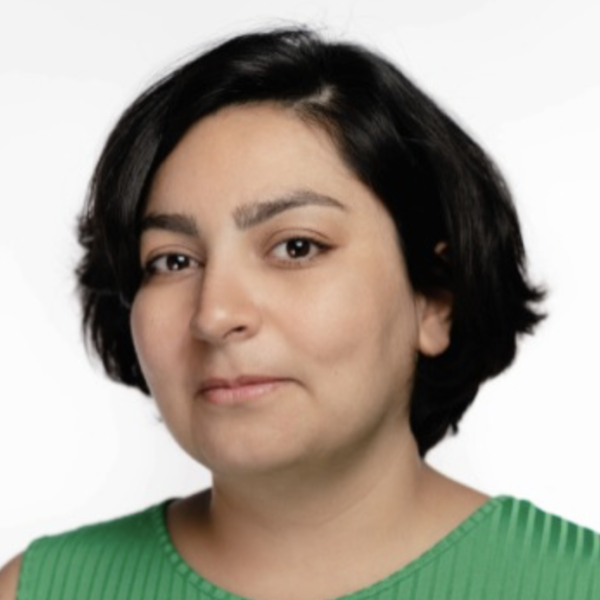
Based in Lebanon, Myriam Sassine has produced award-winning films including Myriam El Hajj’s Diaries from Lebanon (2024), Cyril Aris’s Dancing on the Edge of a Volcano (2023), Mounia Akl’s Costa Brava Lebanon (2021), Oualid Mouaness’s 1982 (2019), and Rana Eid’s Panoptic (2017). In 2016, she co-founded the Maskoon Fantastic Film Festival, the first and only festival of its kind in the Arab region. She currently manages Aflamuna Connection, a co-production platform for Arab filmmakers, and is a co-head of the Tatino Films international training program Full Circle Lab Nouvelle-Aquitaine Hessen.